
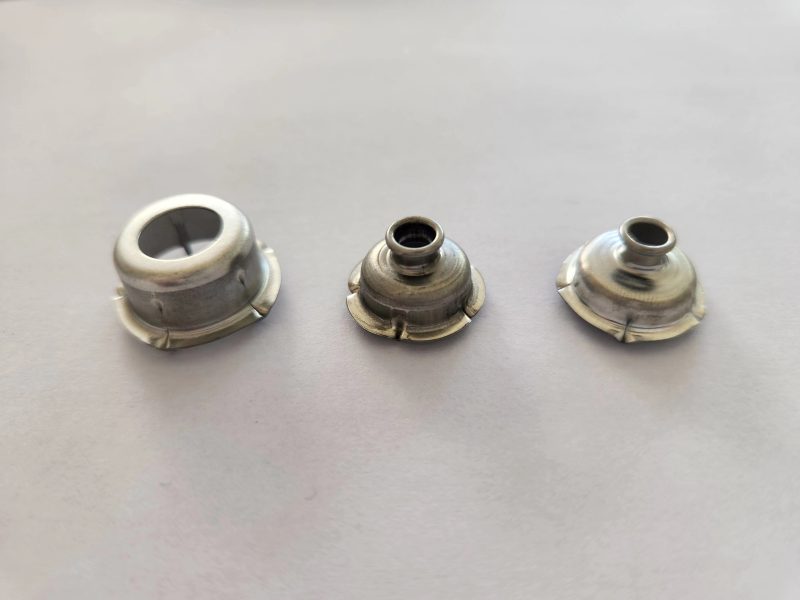
How to Adjust the Tightness of Paint Bucket Gasket Installation
Achieving the right tightness when installing paint bucket gaskets is essential for preventing leaks, ensuring durability, and maintaining the quality of stored materials. Over-tightening can deform the gasket or bucket rim, while under-tightening may lead to slippage or solvent evaporation. This guide provides practical methods to balance tension effectively.
Understanding the Impact of Tightness on Sealing Performance
The tightness of a gasket directly affects its ability to create a barrier against paint, solvents, and air. Factors influencing optimal tension include:
- Material Flexibility: Rubber or silicone gaskets stretch more than rigid plastics, requiring different tightening approaches.
- Temperature Fluctuations: Expansion and contraction can alter tension over time, especially in extreme climates.
- Bucket Design: Some containers have reinforced rims that tolerate higher pressure, while others need gentler handling.
Before adjusting, inspect the gasket and bucket for signs of wear, such as cracks or warping, which may affect tension requirements.
Assessing Initial Fit and Flexibility
Place the gasket loosely onto the bucket rim without applying force. Check for gaps between the gasket and rim—these indicate whether the gasket is too small or the rim is damaged. A proper-sized gasket should sit flush with minor resistance when pressed by hand.
If the gasket feels overly stiff, it may be too thick for the bucket or made from a material unsuitable for the application. Conversely, a gasket that slides easily without resistance might lack the necessary compression to seal properly.
Methods for Adjusting Tightness Without Damaging Components
Using Mechanical Fasteners (If Applicable)
For buckets with bolts, clamps, or screws, tightening mechanisms allow precise control over tension. Start by hand-tightening all fasteners evenly to avoid uneven pressure distribution. Then, use a torque wrench or screwdriver to tighten each fastener incrementally in a star pattern.
This method ensures the gasket compresses uniformly, reducing the risk of leaks. Avoid over-tightening, as this can crush the gasket or strip threads. If the bucket lacks fasteners, rely on the gasket’s natural tension or external tools like ratchet straps for temporary adjustments.
Applying Controlled Pressure with Tools
When manual pressure isn’t sufficient, use non-marring tools to adjust tension. For example, a rubber mallet can gently tap the gasket into place on buckets with deep rims, helping it conform to irregularities. Wrap the mallet’s head in a cloth to prevent scratches.
For gaskets with raised edges or curling designs, a flat-head screwdriver can guide the edge into its groove without damaging the curl. Insert the screwdriver’s tip under the edge and lift slightly while pressing downward on the gasket’s surface. Work in small sections to maintain control.
Adjusting for Temperature-Related Changes
Temperature affects material expansion rates, altering tightness over time. In cold environments, gaskets may stiffen, requiring slight warming to regain flexibility. Use a heat gun on its lowest setting or immerse the gasket in warm water (not boiling) for a few minutes before installation.
In hot conditions, materials expand, potentially loosening the seal. To counteract this, install the gasket at room temperature and check tension after the bucket cools down. If the gasket becomes too loose, reposition it or add a thin layer of non-hardening adhesive for temporary reinforcement.
Testing and Fine-Tuning the Seal
After adjusting tightness, verify the seal’s effectiveness through practical tests:
Conducting a Leak Test
Fill the bucket with water and tilt it at various angles, including upside-down if safe to do so. Check for drips or moisture seeping between the gasket and rim. If leaks appear, re-examine the tightness in the affected area and reapply pressure as needed.
For solvent-sensitive applications, use a non-reactive liquid like alcohol or a diluted detergent solution to avoid damaging the paint. Wipe the exterior dry after testing to prevent residue buildup.
Monitoring Long-Term Performance
Even a properly sealed bucket may develop issues over time due to vibration, temperature cycles, or repeated use. Periodically inspect the gasket for signs of loosening, such as shifting position or visible gaps. Re-tighten fasteners or reposition the gasket if necessary.
If the gasket shows signs of wear, such as cracking or permanent deformation, replace it immediately. Continuing to use a damaged gasket compromises the seal and risks contaminating the stored materials.
Common Mistakes to Avoid During Tightness Adjustment
Over-Reliance on Force
Forcing the gasket into place can damage both the component and the bucket rim. Instead, use gentle, controlled movements to guide the gasket into its groove. If resistance persists, stop and reassess the fit—the gasket may be the wrong size or type for the application.
Ignoring Material Compatibility
Not all gaskets work with every bucket material. For example, silicone gaskets may adhere too strongly to certain plastics, making removal difficult later. Similarly, metal buckets with sharp edges can cut softer gaskets if tightened excessively. Always match the gasket material to the bucket’s design and intended use.
Neglecting Environmental Factors
Failure to account for temperature, humidity, or chemical exposure can lead to premature seal failure. Store buckets and gaskets in a stable environment away from direct sunlight or extreme cold. If storing for long periods, loosen fasteners slightly to prevent permanent deformation from pressure buildup.
By following these steps, you’ll achieve a balanced, reliable seal that protects your paint and equipment from leaks and contamination. Proper tightness adjustment isn’t just about force—it’s about understanding materials, environmental conditions, and the specific demands of your application.