
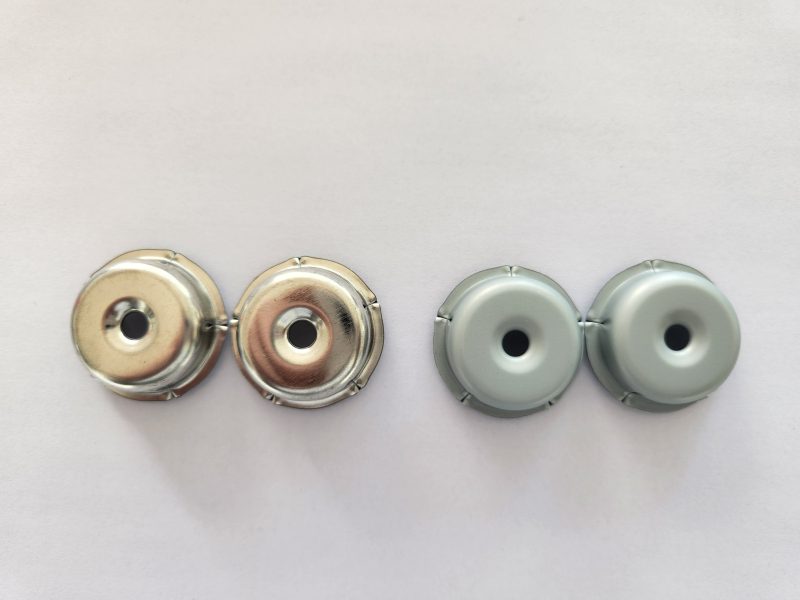
Mechanical-Assisted Installation Methods for Paint Bucket Gaskets
Installing gaskets on paint buckets using mechanical tools enhances precision, reduces manual effort, and ensures a consistent seal. This approach is ideal for high-volume applications or situations where hand-installation proves challenging. Below are practical techniques and tools to streamline the process without compromising quality.
Selecting the Right Tools for the Job
Mechanical assistance relies on specialized or adapted tools to position and secure gaskets efficiently. The choice depends on the gasket type and bucket design.
Using a Gasket Installation Roller
- Purpose: A roller applies even pressure around the rim, ensuring the gasket sits flush without gaps.
- How to Use: Place the gasket on the rim, then roll the tool along the edge in a continuous motion. The weighted or rubberized wheel presses the gasket into place without damaging it.
- Benefits: Reduces hand fatigue, minimizes air bubbles, and works well for flat or slightly curved rims.
Leveraging a Pressure Applicator
- Purpose: This tool uses controlled force to snap or adhere gaskets, especially useful for rigid or thick materials.
- How to Use: Position the gasket on the rim, then lower the applicator’s plate or head onto the gasket. Adjust the pressure settings to avoid over-compression.
- Benefits: Ensures uniform pressure distribution, preventing weak spots or deformation.
Adapting a Jig or Guide
- Purpose: A jig holds the gasket in alignment during installation, reducing misplacement risks.
- How to Use: Attach the jig to the bucket rim, then slide the gasket into the guide channels. Use a secondary tool (like a roller) to secure it.
- Benefits: Critical for repetitive tasks, as it maintains consistency across multiple buckets.
Step-by-Step Mechanical Installation Process
Combining tools with a systematic approach guarantees a reliable seal every time.
Preparing the Bucket and Gasket
- Clean the Rim: Remove dust, paint residue, or grease with a solvent-free cleaner. Dry thoroughly to prevent adhesion issues.
- Inspect the Gasket: Check for cracks, warping, or size mismatches. A damaged gasket won’t seal properly, even with mechanical help.
- Align the Gasket: Position it loosely on the rim, ensuring it sits flat without twisting. This makes mechanical application smoother.
Applying Initial Pressure
- Start with a Roller: Use the installation roller to press the gasket into the rim’s groove or contact surface. Begin at a reference point (like the handle) and work around the circumference.
- Focus on Curves: For rounded buckets, apply slight extra pressure at the bends to prevent lifting. Adjust the roller’s speed to maintain control.
- Check Alignment: Pause periodically to ensure the gasket hasn’t shifted. Misalignment leads to uneven sealing or difficulty closing the lid.
Finalizing the Seal
- Use a Pressure Applicator: For thick or stiff gaskets, switch to a pressure tool to secure hard-to-reach sections. Apply force in short bursts to avoid overdoing it.
- Test the Fit: Close the bucket lid gently. It should snap shut without excessive force. If it’s loose, recheck the gasket’s alignment and pressure.
- Inspect for Gaps: Run your fingers along the rim to feel for raised edges or spaces. These indicate areas needing more pressure or repositioning.
Troubleshooting Common Mechanical Installation Issues
Even with tools, challenges like uneven sealing or tool slippage can arise. Here’s how to address them effectively.
Gasket Not Seating Properly
- Check Tool Pressure: If the gasket remains loose, the roller or applicator may not be applying enough force. Increase pressure gradually, testing the lid fit after each adjustment.
- Realign the Gasket: Mechanical tools can sometimes nudge the gasket off-center. Lift and reposition it manually, then resume tool use.
- Verify Rim Condition: Dents or warping on the rim prevent proper contact. Use a straightedge to check for flatness and sand down high spots if necessary.
Tool Slipping During Use
- Secure the Bucket: Place the bucket in a vise or clamp to prevent movement while applying pressure. This keeps the tool steady and reduces misalignment risks.
- Adjust Tool Grip: If the roller or applicator slips, wrap its handle with non-slip material or choose a model with ergonomic grips.
- Slow Down: Rapid movements can cause tools to skip or jump. Maintain a steady, controlled pace, especially near curves.
Air Bubbles or Wrinkles
- Use a Pin Tool: For small air pockets, prick the gasket with a fine needle, then press the air out toward the hole. Smooth the area with a roller.
- Lift and Reapply: If wrinkles form, gently lift the affected section and reposition it. Avoid stretching the gasket, as this weakens the seal.
- Prevent Future Issues: Apply the gasket in smaller sections when using mechanical tools, pressing each part thoroughly before moving on.
By integrating mechanical tools into your installation workflow and addressing challenges proactively, you can achieve a secure, professional-grade seal on paint buckets with minimal effort and maximum efficiency.