
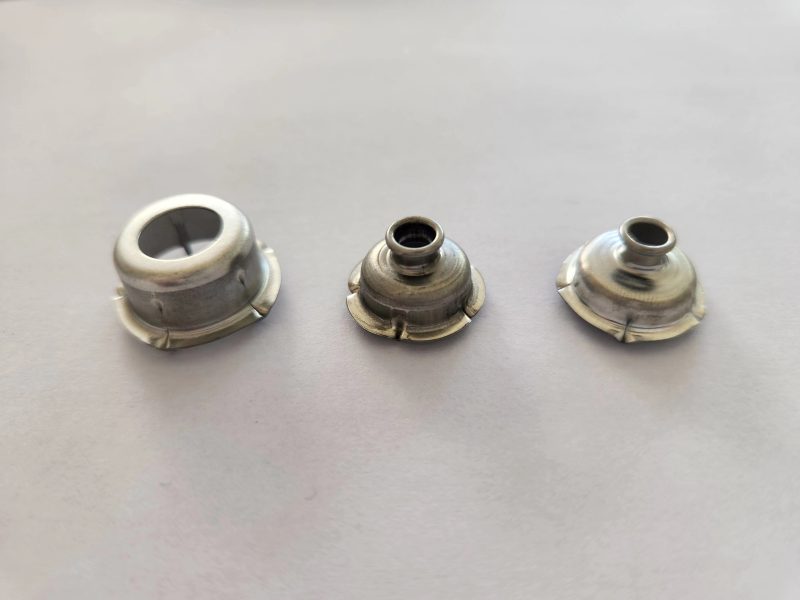
Understanding the Dimensions of Gaskets for 20L Standard Paint Buckets
When it comes to ensuring a secure seal for 20L standard paint buckets, selecting the right gasket dimensions is crucial. These gaskets prevent leaks, maintain product integrity, and protect against contamination. This guide dives into the key measurements and considerations for gaskets designed for 20L containers, covering everything from outer and inner diameters to thickness and material compatibility.
Outer Diameter: Aligning with the Bucket’s Rim
The outer diameter of a 20L paint bucket gasket is one of the most critical measurements. It determines how well the gasket fits into the bucket’s rim, creating a compression seal when the lid is tightened.
Standard Measurements for 20L Buckets
Most 20L paint buckets follow industry-standard dimensions, though slight variations can occur based on the manufacturer or region. Typically, the outer diameter of the rim ranges between 340mm and 360mm. The gasket’s outer edge should be slightly larger than this measurement—usually by 1-3mm—to ensure proper compression. This overhang allows the gasket to deform slightly when the lid is secured, forming an airtight barrier that prevents leaks.
For example, a bucket with a 350mm rim diameter would work best with a gasket having an outer diameter of 352-355mm. This ensures the gasket sits flush against the rim without being too loose or too tight, which could compromise the seal.
Impact of Manufacturing Tolerances
Manufacturing tolerances can introduce minor deviations in bucket dimensions, even among containers labeled as “standard.” A gasket with a fixed outer diameter might not fit perfectly on every 20L bucket, leading to inconsistent sealing. To address this, some gaskets are designed with slight flexibility or a range of acceptable diameters. This adaptability ensures the gasket can accommodate small variations in rim size without sacrificing performance.
Inner Diameter: Clearing the Bucket’s Neck
While the outer diameter focuses on the rim, the inner diameter of the gasket must align with the bucket’s neck or opening. This ensures the gasket doesn’t interfere with pouring or filling processes and remains securely in place during use.
Clearance Requirements for Smooth Operation
The inner diameter of the gasket should be large enough to clear the bucket’s neck by at least 2-5mm. This gap prevents the gasket from bunching up or tearing when the lid is removed or replaced. For instance, if the bucket’s neck has an inner diameter of 300mm, the gasket’s inner diameter should be around 302-305mm.
A gasket that’s too tight around the neck can make it difficult to insert or remove the lid, especially in automated filling lines where speed is essential. Conversely, a gasket that’s too loose might shift during use, creating gaps that allow leaks or contamination.
Compatibility with Pour Spouts or Liners
Some 20L paint buckets feature integrated pour spouts or removable liners, which can affect gasket placement. The inner diameter must account for these components to avoid obstruction. For example, if a bucket has a pour spout that reduces the effective opening diameter to 290mm, the gasket’s inner diameter should still provide enough clearance—around 292-295mm—to prevent interference.
Thickness: Balancing Seal Integrity and Lid Closure
Gasket thickness plays a dual role: it contributes to the seal’s effectiveness and influences how easily the lid can be closed and opened. Finding the right balance is key to ensuring long-term performance.
Common Thickness Ranges for 20L Buckets
For 20L paint buckets, gasket thickness typically falls between 3mm and 8mm. Thicker gaskets offer better cushioning against impacts or pressure changes, making them ideal for rough handling or storage in environments with temperature fluctuations. However, excessive thickness can make lids difficult to close, requiring more force and potentially damaging the gasket or bucket over time.
Thinner gaskets, on the other hand, are easier to compress and remove but may not compensate as effectively for surface irregularities on the bucket or lid. This could lead to leaks if the seal isn’t uniform.
Compression Ratio and Sealing Performance
The compression ratio—the percentage of thickness reduction when the lid is tightened—is another important factor. A compression ratio of 25-40% is generally recommended for 20L buckets. For example, a 5mm-thick gasket compressed to 3.5-4mm (30-40% compression) provides a reliable seal without overstressing the material.
Higher compression ratios can create a tighter seal but may cause the gasket to deform permanently over time, reducing its effectiveness. Lower ratios might not provide enough compression to prevent leaks, especially in containers with slightly warped lids or rims.
Material Considerations: Flexibility and Chemical Resistance
While dimensions are critical, the material of the gasket also impacts its performance. The right material ensures the gasket can withstand the paint’s chemical composition, temperature extremes, and mechanical stress during use.
Elastomers for General-Purpose Use
Nitrile rubber (NBR) is a common choice for 20L paint bucket gaskets due to its balance of oil resistance and affordability. It performs well with hydrocarbon-based solvents found in many alkyd or enamel paints, maintaining flexibility even after prolonged exposure. However, NBR may not be suitable for paints containing strong solvents like ketones or aromatic hydrocarbons, which can cause swelling or degradation.
Silicone rubber offers excellent temperature resistance, withstanding ranges from -60°C to 230°C without losing elasticity. This makes it ideal for paints stored in extreme environments or subjected to sterilization processes. Silicone’s inert nature also prevents chemical interactions, ensuring the paint remains uncontaminated.
Specialty Materials for Aggressive Formulations
For paints with aggressive solvents, such as xylene or toluene, fluorocarbon elastomers (FKM) provide superior resistance. FKM gaskets resist swelling, cracking, or hardening when exposed to these chemicals, extending their service life in harsh conditions. While more expensive than other options, FKM is justified in applications where chemical compatibility is non-negotiable, like industrial coatings or automotive primers.
Ethylene propylene diene monomer (EPDM) excels in water-based formulations, offering resistance to steam, hot water, and polar solvents like alcohols. Its UV stability also makes it suitable for outdoor storage, where prolonged sunlight exposure could degrade other materials.
Design Features: Enhancing Functionality and Durability
Beyond basic dimensions and materials, gaskets for 20L paint buckets often incorporate design elements that improve sealing reliability, ease of use, and longevity. These features address common challenges like lid misalignment, pressure buildup, or difficulty during installation.
Integrated Beading for Improved Sealing
A raised bead or rib along the gasket’s contact surface creates a concentrated sealing line when compressed, enhancing leak resistance. This design compensates for minor surface imperfections in the bucket or lid, ensuring consistent performance even on uneven containers. Some gaskets feature multiple beads for redundant sealing in critical applications.
Venting Channels for Pressure Equalization
Paints that emit gases during storage or curing can build up pressure, forcing the lid open or deforming the gasket. Venting channels or perforations in the gasket allow controlled gas escape while preventing liquid leakage. These features are particularly valuable for two-part epoxies or polyurethane coatings that generate off-gassing as they react.
Reinforced Edges for Durability
Gaskets subjected to frequent handling or rough transportation benefit from reinforced edges, such as fabric or metal inserts. These reinforcements prevent tearing or stretching during installation or removal, especially in automated filling lines where rapid lid cycling occurs. Reinforced gaskets maintain their shape over time, reducing the need for replacements.
By focusing on these dimensions and design considerations, users can select gaskets that provide a reliable, long-lasting seal for 20L standard paint buckets, ensuring product quality and safety in various applications.